





Probiotics for Gut Health: Benefits, Best Foods & How to Improve Your Gut Naturally
July 4 , 2026

Written by:
Dt. Anup Agharwal (CFN, DCD)
Senior Dietitian, Health Gennie
Your gut does a lot more than just digest food. It supports your immune system, helps you absorb nutrients, and even influences your mood. The gut microbiome is made up of the trillions of bacteria that live in your digestive tract. When this balance is in harmony, your body functions better. When it gets out of balance, you may experience bloating, constipation, diarrhea, or generally poor digestion.
Adding probiotics for gut health to your daily routine is one of the finest natural ways to support your digestive system. These healthy bacteria help keep your gut in balance and support overall wellness.
What Is a Probiotic?
Probiotics are healthy bacteria and yeasts that are good for you, especially your digestive system. They are often called “good bacteria” because they help keep your digestive tract in a healthy balance.
The ICMR-DBT Guidelines state that probiotics should be studied for safety, efficacy, and correct labelling before any health claims can be made. Different strains of probiotics have different roles, so it is important to choose the right one.
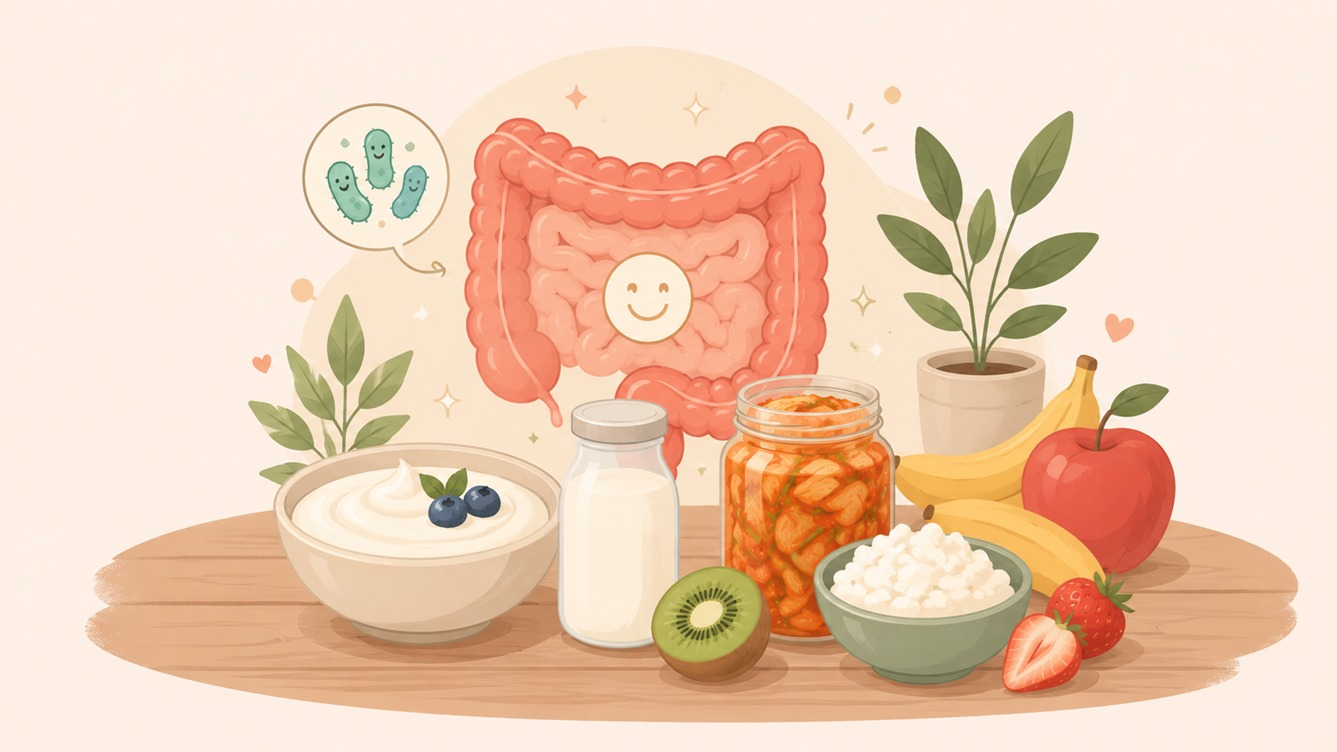
A probiotic is a substance containing live micro-organisms which, when provided in suitable proportions, offer a health benefit to the host. The term is used for both foods and supplements that contain healthy bacteria, as well as the helpful bacteria that are naturally found in the gut.
Illness, stress, or taking antibiotics can upset the natural balance of microorganisms in your stomach. Probiotics may help restore that balance and improve gut health. They come in many forms, including supplements, yogurts, and other fermented foods. Some of the most common probiotics belong to the Lactobacillus and Bifidobacterium groups, each of which includes several species (for example, Lactobacillus acidophilus and Bifidobacterium lactis).
Probiotics are generally regarded as safe for most people. However, some individuals may experience mild side effects such as gas or bloating. If you are considering taking probiotics, it is important to speak with your doctor first. They can help you select the right probiotic and make sure it is safe for you.
Probiotics are available in a variety of products, including:
- Supplements: available in capsule, tablet, powder, and liquid forms.
- Fermented foods: such as yogurt, kefir, sauerkraut, kimchi, and tempeh, which contain probiotics naturally or have them added.
What Role Do Probiotics Play in the Gut?
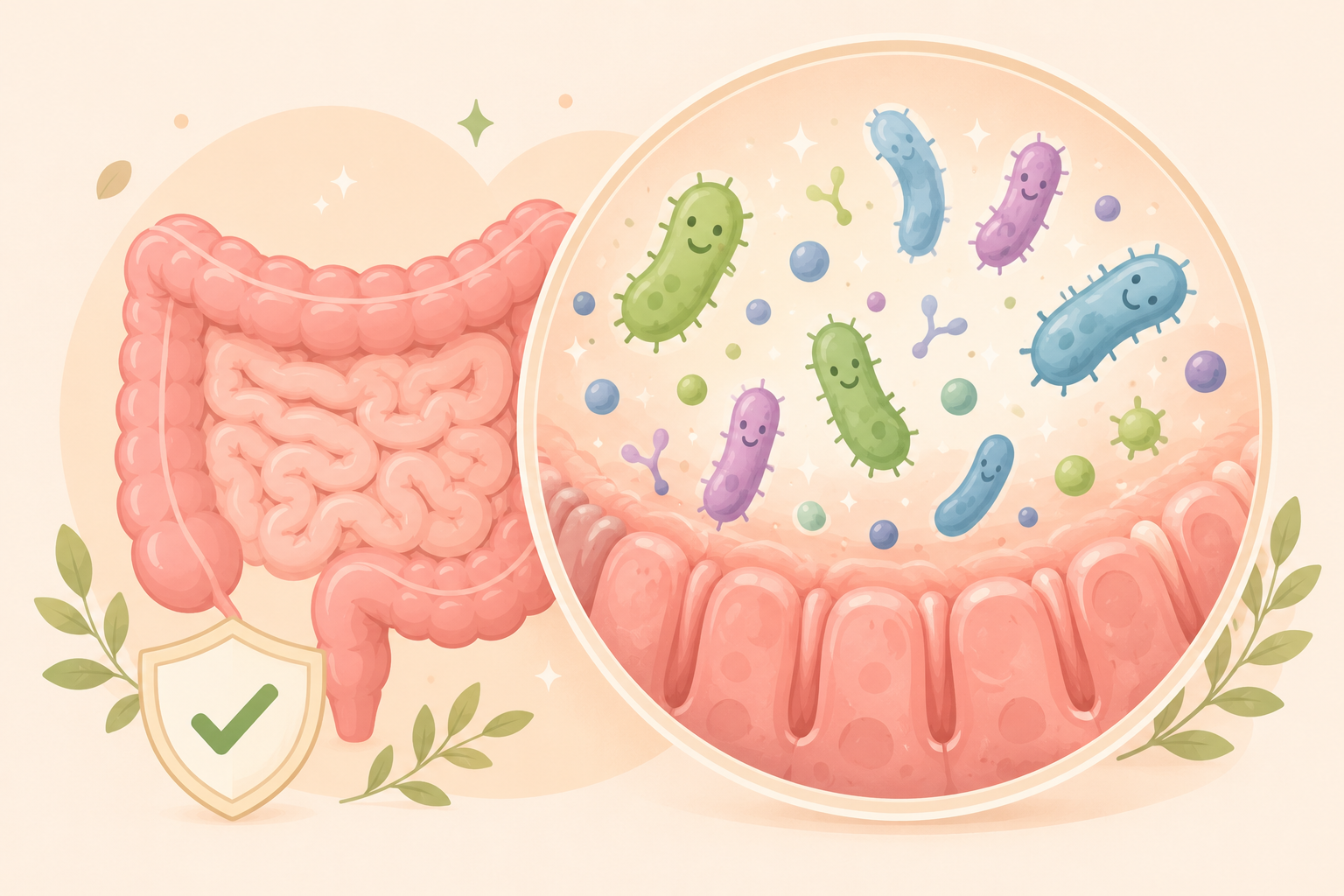
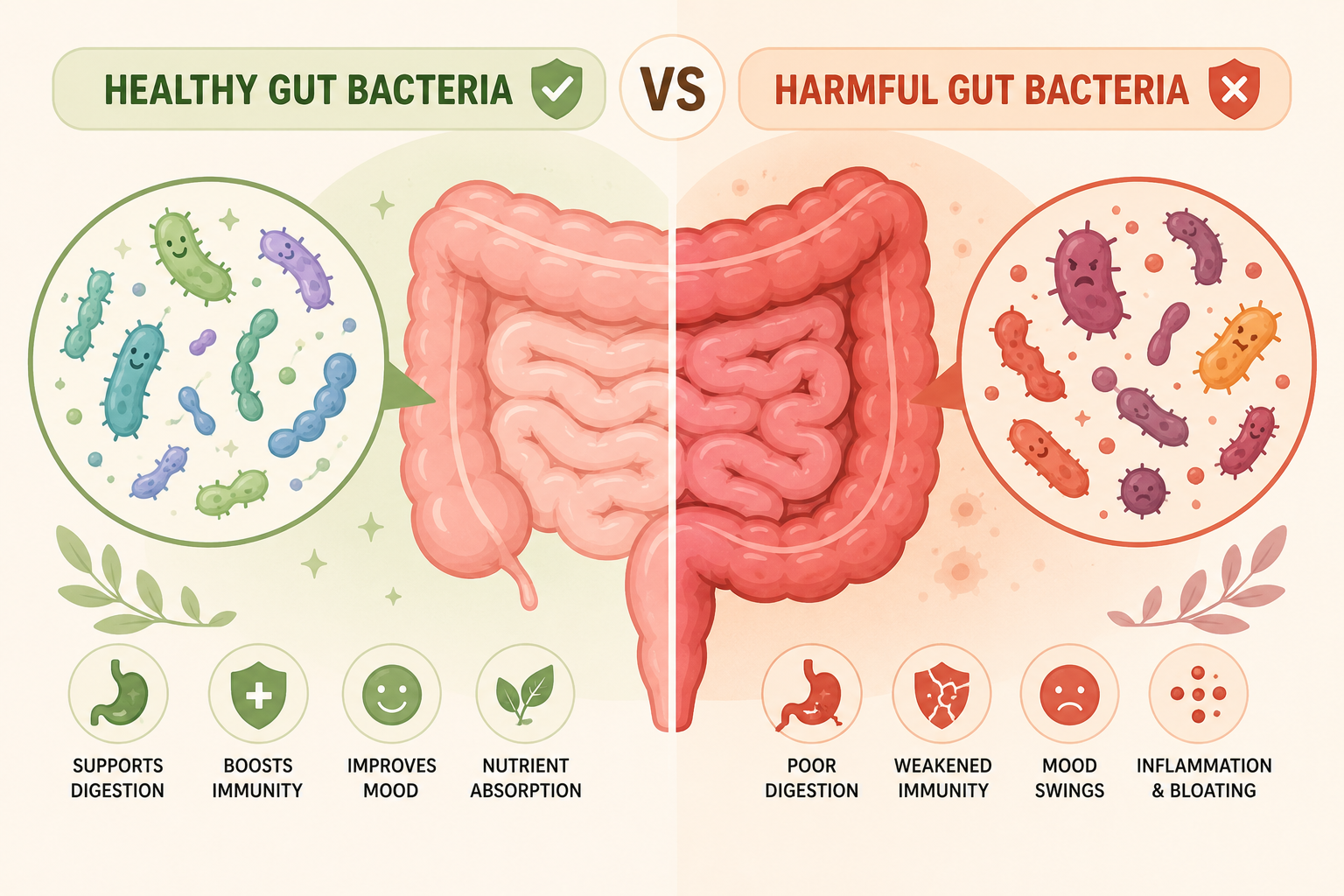
The gut microbiome contains both healthy and harmful microorganisms. Stress, a poor diet, lack of sleep, antibiotics, and processed foods can all disrupt this balance.
Probiotics and gut health are closely linked, because probiotics may help restore the balance of beneficial bacteria. They may help:
- Support better digestion
- Encourage regular bowel movements
- Provide temporary relief from bloating
- Support the immune system
- Promote a healthy gut barrier
A healthy digestive system makes it easier for your body to absorb nutrients, which benefits your overall health.
Why Probiotics Are Good for Your Gut
1. Improve Digestive Health
One of the major benefits of probiotics is better digestive health. They help break down food, improve nutrient absorption, and create a healthy environment for digestion.
2. Support a Healthy Gut Microbiome
Taking a probiotic each day helps maintain a range of beneficial bacteria in the gut microbiome. A diverse microbiome is linked to better digestive and metabolic health.
3. Help Reduce Occasional Bloating
Bloating is a common problem, often caused by poor digestion or changes in gut bacteria. Some strains of probiotics may help with occasional bloating and improve digestive comfort.
4. Strengthen Your Immune System
Approximately 70 percent of immune cells are linked to the digestive tract. Improving gut health can therefore help support your immune health as well.
5. Help With Antibiotic Use
Antibiotics kill both beneficial and harmful microorganisms. Probiotics may help restore the normal balance of bacteria in the gut after antibiotic use — ideally after speaking with a healthcare professional.
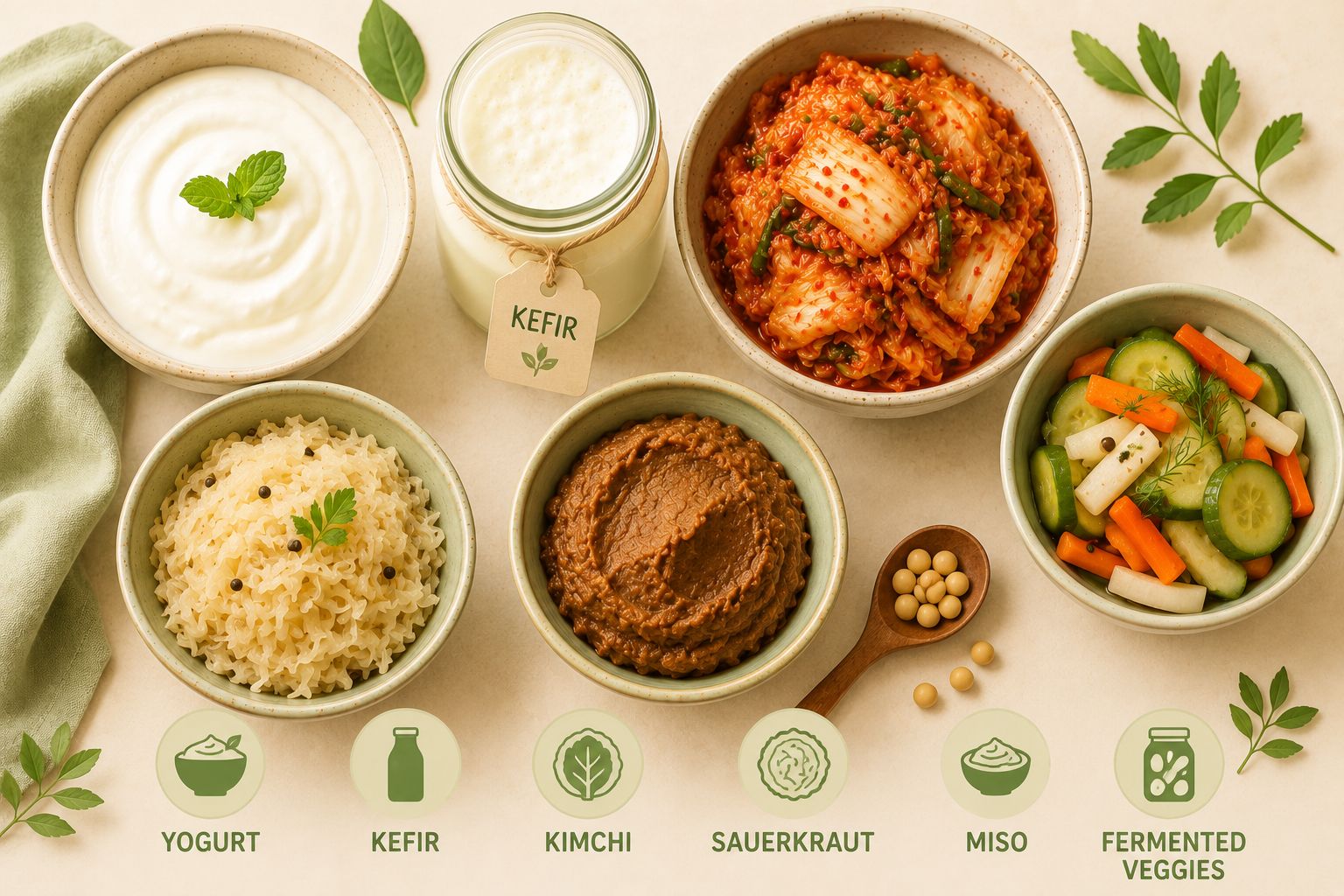
Top Probiotic Foods for Gut Health
You don’t always need supplements to support your gut. Many natural foods contain beneficial bacteria.
Here are some of the best probiotic foods:
- Yogurt with live cultures
- Kefir
- Kimchi
- Sauerkraut
- Tempeh and miso
- Traditionally fermented (non-vinegar) pickles
Eating these foods regularly can help keep your digestive system healthy.
Prebiotics: Don’t Forget Them
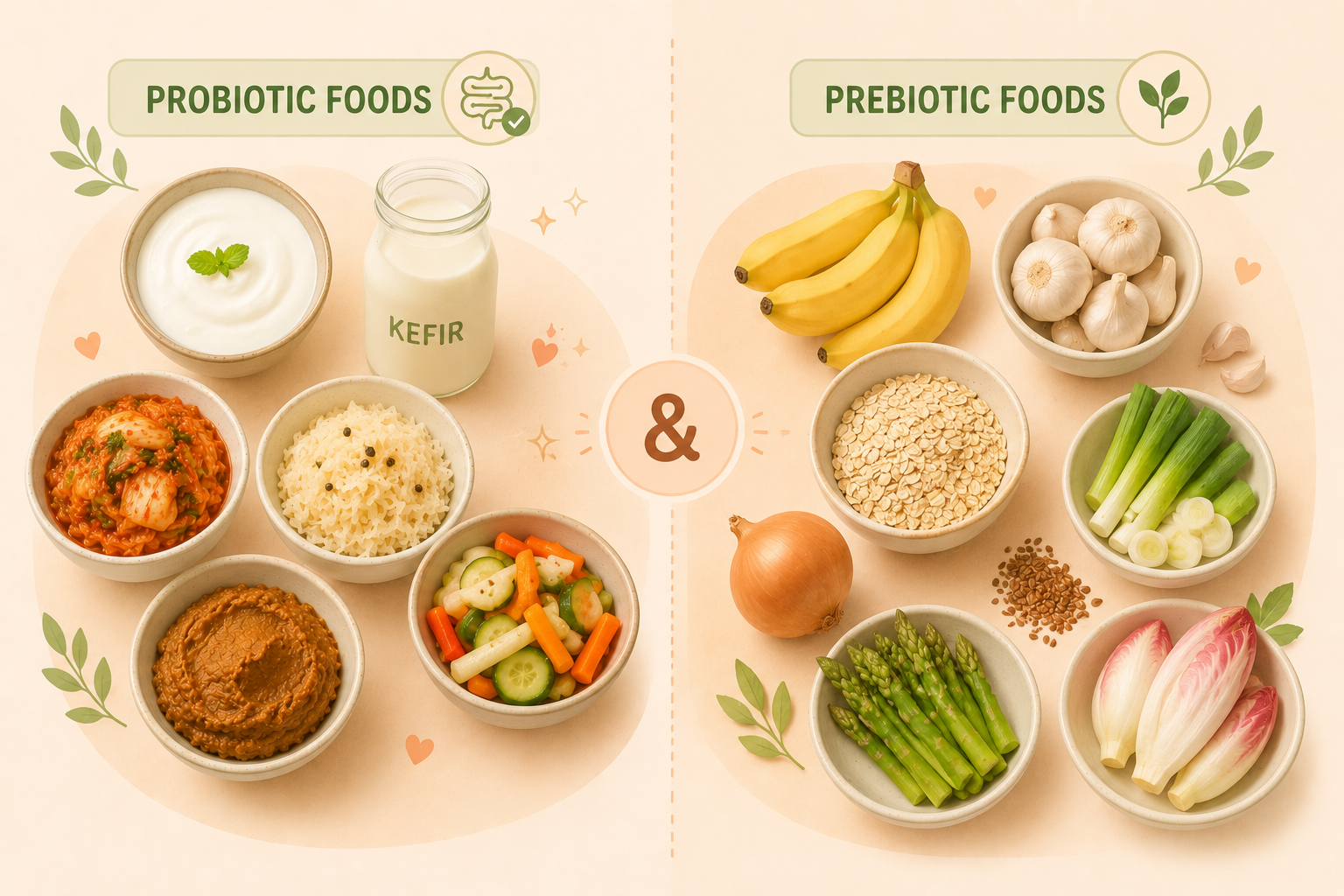
Probiotics introduce helpful microorganisms, while prebiotics nourish those bacteria. Both work together for better gut health.
Foods that contain prebiotics include:
- Garlic
- Onions
- Bananas
- Oatmeal
- Asparagus
- Inulin (chicory root)
- Apples
Eating probiotic foods along with prebiotics can naturally support a healthier gut microbiome.
Should You Take a Probiotic Supplement?
There are many probiotic supplements available today. However, not all of them contain the same strains of bacteria or the same quality.
The ICMR-DBT Guidelines suggest that probiotic products should clearly specify the bacterial strain and provide scientific proof of their benefits and safety. Always check with a qualified healthcare professional, especially if you have a chronic digestive problem, reduced immunity, or other medical concerns.
Improve Your Gut Health with Health Gennie
Digestive issues such as bloating, constipation, acidity, or recurring gut discomfort often need a personalized approach rather than general advice.
At Health Gennie, our certified dietitians create customized nutrition plans based on your health goals, medical history, and lifestyle to help you build lasting healthy habits.
- Personalized Diet Plans
- Expert Dietitian Consultation
- Health Tracking
- Ongoing Nutrition Support
If you're looking for personalized guidance, download the Health Gennie App or book a consultation with one of our dietitians to get started.
Tips to Improve Your Gut Health Naturally Every Day
Supporting your gut isn’t only about probiotics. A few simple daily habits can make a big difference:
- Eat more fiber-rich meals.
- Include fermented foods in your regular diet.
- Drink plenty of water throughout the day.
- Stay physically active.
- Get seven to nine hours of sleep.
- Reduce heavily processed foods.
- Manage daily stress.
These lifestyle practices are good for both your gut health and your overall wellbeing.
Summary
A healthy gut plays an important role in digestion, immunity, and overall well-being. Adding probiotics for gut health through natural probiotic foods or scientifically supported supplements — can help maintain a balanced gut microbiome and support better digestion.
For the best results, combine probiotics with a balanced diet rich in prebiotics, fruits, vegetables, and whole grains, along with regular physical activity. Healthy daily habits can make a lasting difference to your gut health over time.
If you frequently experience bloating, constipation, acidity, or other digestive concerns, consider speaking with a qualified dietitian or healthcare professional for personalized guidance.
About the Author
Dt. Anup Agharwal (CFN, DCD) is a Senior Dietitian at Health Gennie, specializing in clinical nutrition, weight management, diabetes care, gut health and lifestyle disorders. He believes in evidence based nutrition and practical diet plans that are easy to follow in everyday life.
FAQs
Do probiotics work for everyone?
Probiotic foods are generally safe for most healthy people. However people with weakened immune systems, serious medical conditions or those taking certain medications should consult a healthcare professional before using probiotic supplements.
How long does it take for probiotics to work?
Some people notice improvements in their digestion within two to four weeks. The results depend on the probiotic strain, diet, lifestyle and your existing gut health.
Which foods are naturally rich in probiotics?
Some of the best natural probiotic foods include yogurt with live cultures, kefir, kimchi, sauerkraut, miso, tempeh and traditionally fermented vegetables.
What is the difference between probiotics and prebiotics?
Probiotics are beneficial live microorganisms that help maintain a healthy gut. Prebiotics are types of dietary fiber that feed these beneficial bacteria and help them grow. Both are important for maintaining a healthy gut microbiome.
Do probiotics improve gut health?
Research suggests that specific probiotic strains may help support digestive health, maintain a healthy gut microbiome and reduce occasional digestive discomfort. The benefits vary depending on the probiotic strain and an individual's overall health.