




Dealing with Exam Anxiety: Tips from Mental Health Experts
December 30 , 2025

Exams are often considered a gateway to opportunity and bring with them sleepless nights, nervousness, and overwhelming pressure for many students. Exam anxiety is the name for the phenomenon. While a little nervousness can sharpen focus, excessive anxiety can interfere with memory, concentration, and even physical health.
Exam anxiety is a sign of stress and not weakness, say mental health experts. The good news? When armed with various coping strategies and support tools, students can make it through those tough times and stomach residual ecstatic heady feelings again at their upcoming exams.
Am I Suffering from Exam Anxiety?
Exam anxiety can manifest itself in a variety of ways:
- Physical symptoms: Rapid heartbeat, sweating, stomachaches, tension or headaches.
- Emotional symptoms: Irritability, low self-confidence, feelings of dread.
- Cognitive symptoms: Trouble concentrating, blanking out during exams, racing thoughts.
- Behavioral symptoms: Procrastination, avoiding preparing for exams altogether, or obsessively over-studying.
According to mental health experts, these symptoms typically stem from:
- A sense of failure on the part of the student or fear they will let others down as well.
- With the right environment, training and even a story to tell, if not a record of personal struggle or exceptional endeavor, then one should have come prepared and equipped for examinations and life in general.
- Lack of preparation or poor study habits.
- Comparison with peers and social pressure.
- Poor sleep quality, an irregular eating routine, and excessive screen time all contribute to increasing fatigue.
Strategies Recommended by Experts to Deal with Exam Anxiety
- Make a Plan - Racing to study the day before exams adds fuel to the fire. Experts say that portioning out the syllabus into manageable bits and targeting realistic goals each day will help get you through. Following a structured plan gives the student sense and keeps him from panicking.
- Relaxation and Mindfulness Practice - For a quick way to decrease stress levels, engage. Techniques like deep breathing, guided meditation, or progressive muscle relaxation work wonders instantly. As little as 10 minutes of mindfulness each day can improve focus and lessen anxiety prior to exams.
- Take Care of Your Physical Health - Before an exam, what you eat and how you move has a direct impact on how your brain works. Here's what experts recommend:
- Eat balanced meals with brain-friendly foods like nuts, fruits, and whole grain.
- When you are drinking water, take little sips only
- Stretching, yoga or brisk walking turned into a positive force in your own system.
Sleep - Your Secret Superpower
- Many students sacrifice sleep while revising for tests, but studies show that memory will weaken and problem-solving skills will diminish when you're sleep-deprived. School students in particular are supposed to get anywhere from 7 or 8 good hours of night time shuteye each night during exam season. Experts advise young people to periodically soak up the sun and quiet beauty of your school's campus.
- Limiting caffeine and screen time aside from making students overstimulated and hyper, excessive coffee, energy drinks, or late-night scrolling on social media all add further to anxiety. Instead, short walks or relaxation activities can be made in the morning or at all-day breaks from study are a better use of the time.
- Simulating exam conditions by taking mock tests under timed conditions helps the brain adapt to real exam conditions. This does more than just give you confidence. It also reduces fear of the unknown.
- Talking about your feelings bottled up emotions only adds to stress. Parents, friends or a trustworthy teacher may share the load. When the anguish is too much for most people, consulting with a mental health professional is always advisable.
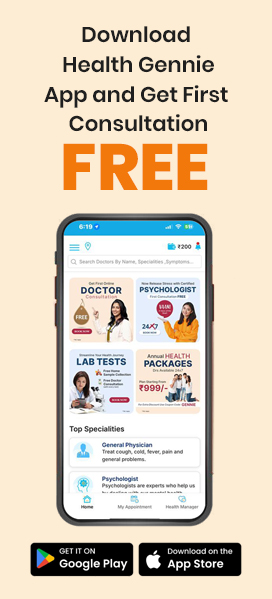
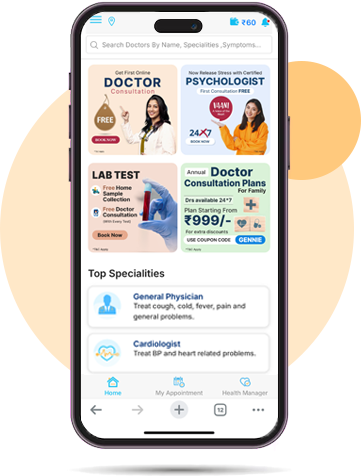
These platforms, such as Health Gennie, which serve to make mental healthcare more accessible (especially for students who suffer the extra burden of academic stress) play a vital role. With Health Gennie, students can:
- See psychologists on-screen and talk to doctors online for professional support, without having to go somewhere
- Use tools like mood tracking or symptom checkers to stay aware of your mental and emotional well-being.
- Receive wellness tips and reminders that will help to build healthier habits in stressful times.
- Book appointments easily, ensuring timely care when you need it.
This digital-first approach is a prime example of how help is now just a click away from any students, whether for therapy or wellness support. Generations Y and Z would argue that this makes things altogether more routine.
Final Thoughts
It is normal for students to experience exam anxiety - this is an adrenaline response. Consistently putting students under pressure can hurt both their academic performance and general well-being.
FAQs
Q1: What is exam anxiety?
Exam anxiety is the stress response students feel before or during exams, which can affect focus, memory, and overall performance.
Q2: What are common symptoms of exam anxiety?
Symptoms include rapid heartbeat, sweating, irritability, low self-confidence, racing thoughts, procrastination, or excessive studying.
Q3: How can students manage exam anxiety?
Strategies include planning study schedules, practicing relaxation, eating well, exercising, getting enough sleep, and talking about feelings.
Q4: How does Health Gennie help students with exam anxiety?
Health Gennie offers online psychologist consultations, mood tracking, symptom checkers, wellness reminders, and easy appointment booking.